Plumbing Website Design: Built for Emergencies and Repeat Customers
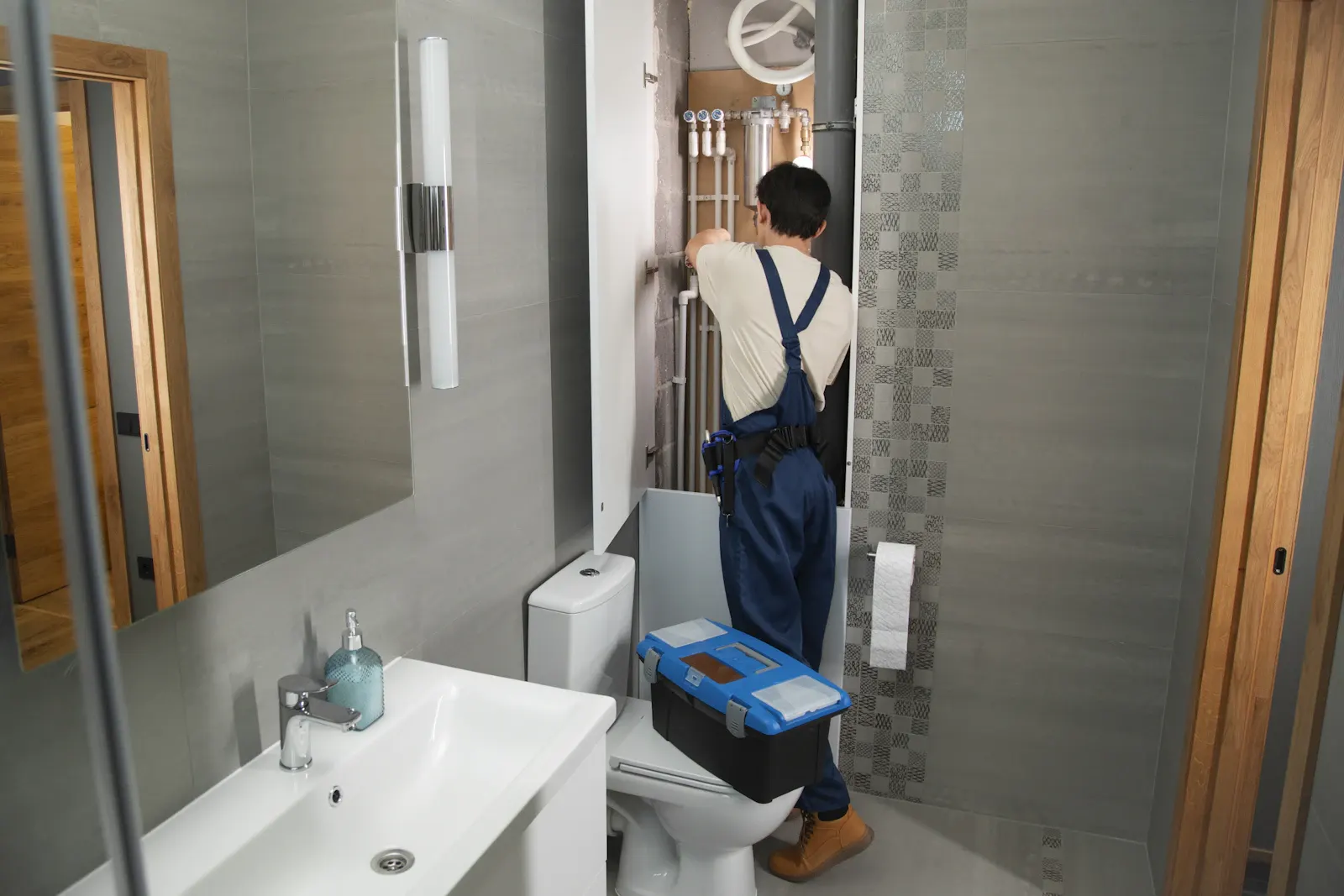
Plumbing calls rarely wait. A burst pipe, a blocked drain or a failed water heater sends people straight to their phone, and the plumber who looks local, available and trustworthy gets the job. Many of those customers then stay with that plumber for years, for every leak, fixture and water heater after.
A plumbing website should serve both moments: the emergency that starts the relationship and the planned jobs that build it. This guide covers how to design one. For principles shared across trades, read our guide to home service business websites.
Design for the Emergency First
Picture a homeowner standing in a wet kitchen, holding a phone in one hand. That is your most valuable visitor, and your website has seconds to help them.
What they need on the first screen:
- Your phone number, large and tappable.
- A plain statement of emergency availability, only if it is true: "24/7 emergency plumbing in Tampa."
- Your service area.
- One trust signal: review rating, license or years in business.
What they do not need: a slideshow, a welcome paragraph or a pop-up. Keep a call button fixed to the bottom of the screen on mobile so it is always one tap away.
Simple emergency guidance builds trust
A short "What to do right now" box on your emergency page, for example how to find and turn off the main water valve, genuinely helps people and positions you as the expert they want to call. Keep it brief and practical.
Service Pages for Planned Work
Planned jobs are where repeat customers and higher-value work come from. Give each core service its own page:
- Drain cleaning and blocked drains.
- Water heater repair and replacement, including tankless.
- Leak detection and repair.
- Repiping.
- Sewer line repair and camera inspections.
- Fixture installation: faucets, toilets, showers.
- Water filtration and softening.
- Commercial plumbing, if you offer it.
Each page should describe the problem in the customer's words, explain how you solve it, what affects the price, how long the job takes and what guarantee you offer.
Pricing Language That Builds Trust
Few customers expect a fixed price for a plumbing repair, but many fear being overcharged once you arrive. Be clear about what you can be clear about:
- Your call-out, trip or diagnostic fee, if you charge one.
- Whether you quote before starting work.
- What affects the price of common jobs, such as access, materials and time of day.
- Any after-hours or weekend rates.
This one section often does more for conversions than any design change, because it answers the question every caller is quietly asking.
Trust Signals for Plumbers
- License and insurance details, where your state or country requires them.
- Clear business identity: real name, address or service base, and team photos.
- Recent reviews that mention response time and tidiness.
- Guarantees on workmanship and parts.
- Background-checked or uniformed technicians, if true.
- Photos of real jobs and vans with your branding.
Making Contact Effortless
- Click-to-call everywhere, with a sticky mobile call button.
- A short form for non-urgent work: name, phone, zip code, problem and an optional photo.
- Text messaging if your team can respond quickly.
- Clear hours and after-hours instructions.
- A thank-you message that says when you will respond.
Test your contact paths every week. A broken form or a call forwarding problem costs you jobs silently.
Speed Matters More for Plumbers Than Most
Emergency visitors are often on mobile data and short on patience. Compress images, avoid auto-playing videos and heavy animation, and test your site on a real phone. Our guide to website speed for small businesses explains how.
Building Repeat Business Through the Website
- Invite customers to save your number and leave a review after each job.
- Offer maintenance checks, such as water heater flushes, with online booking.
- Publish short, genuinely useful seasonal advice, such as preventing frozen pipes, which also gives customers a reason to return.
- Keep your Google Business Profile updated with photos and posts.
Showing Up When People Search
Many emergency plumbing calls start in Google's map results. Strong reviews, accurate business details and relevant service pages all influence where you appear. Our guide on how to rank higher on Google Maps explains what you can and cannot control.
Example Homepage Wording for a Plumbing Company
Adapt this structure; every claim should be true for your business.
Headline: Emergency and everyday plumbing in Tampa. Call now, or book online.
Supporting line: Licensed plumbers, upfront call-out fee, and a quote before any work begins.
Sticky mobile bar: Call now and Book a visit buttons, always visible.
Proof strip: review rating and count, license number where required, years in business, workmanship guarantee.
Emergency box: Water everywhere? Turn off your main valve, then call us. With a link to the emergency page.
Services block: drains, water heaters, leaks, repiping, sewer lines, fixtures, each linking to its page.
Closing call to action: phone number and booking button.
Plumbing Website Build Checklist
| Page or feature | Must include | Why it matters |
|---|---|---|
| Homepage | Phone first, availability, area, proof | Emergency visitors decide in seconds |
| Emergency plumbing page | Availability, response expectations, first steps | Captures the most urgent searches |
| Water heater pages | Repair vs replace, tank vs tankless, cost factors | High-value planned work |
| Drain and sewer pages | Symptoms, camera inspections, methods | Frequent, specific searches |
| Pricing information | Call-out fee, quoting policy, after-hours rates | Removes the fear of surprise bills |
| Reviews and photos | Recent, real jobs, real team | Trust for in-home work |
| Contact | Click-to-call, short form, text option | Fewer lost enquiries |
| Service areas | Towns and zip codes | Local relevance |
Frequently Asked Questions
What should a plumbing website include?
A mobile-first homepage with a tappable phone number and emergency availability, separate pages for each service, clear pricing information such as call-out fees, licenses and guarantees, real reviews and photos, and short contact forms.
How do plumbers get more calls from their website?
Make calling one tap away on every page, state your service area and hours clearly, show trust signals near the call button, keep the site fast on phones, and answer every call and enquiry quickly.
Should a plumber's website mention 24/7 service?
Only if you genuinely offer it. Claiming round-the-clock service and then not answering damages reviews and reputation quickly.
Do plumbers need a separate emergency plumbing page?
Yes. A dedicated emergency page targets urgent searches, sets clear expectations and can include simple steps homeowners can take while waiting.
Final Thoughts
A plumbing website earns its keep in the first ten seconds of an emergency and in the trust that brings customers back for years. Lead with the phone number and your availability, be honest about pricing, show real proof and make every contact path quick on a phone.
If you would like a plumbing website built for emergency calls and repeat customers, see our website design service for contractors or request a free website audit.