Business Management Systems
Centralized platforms that bring important business operations, information and workflows into one connected system.
We design and develop custom software that brings your workflows, data and business operations together into reliable digital systems built around the way your organization works.
LET'S TALK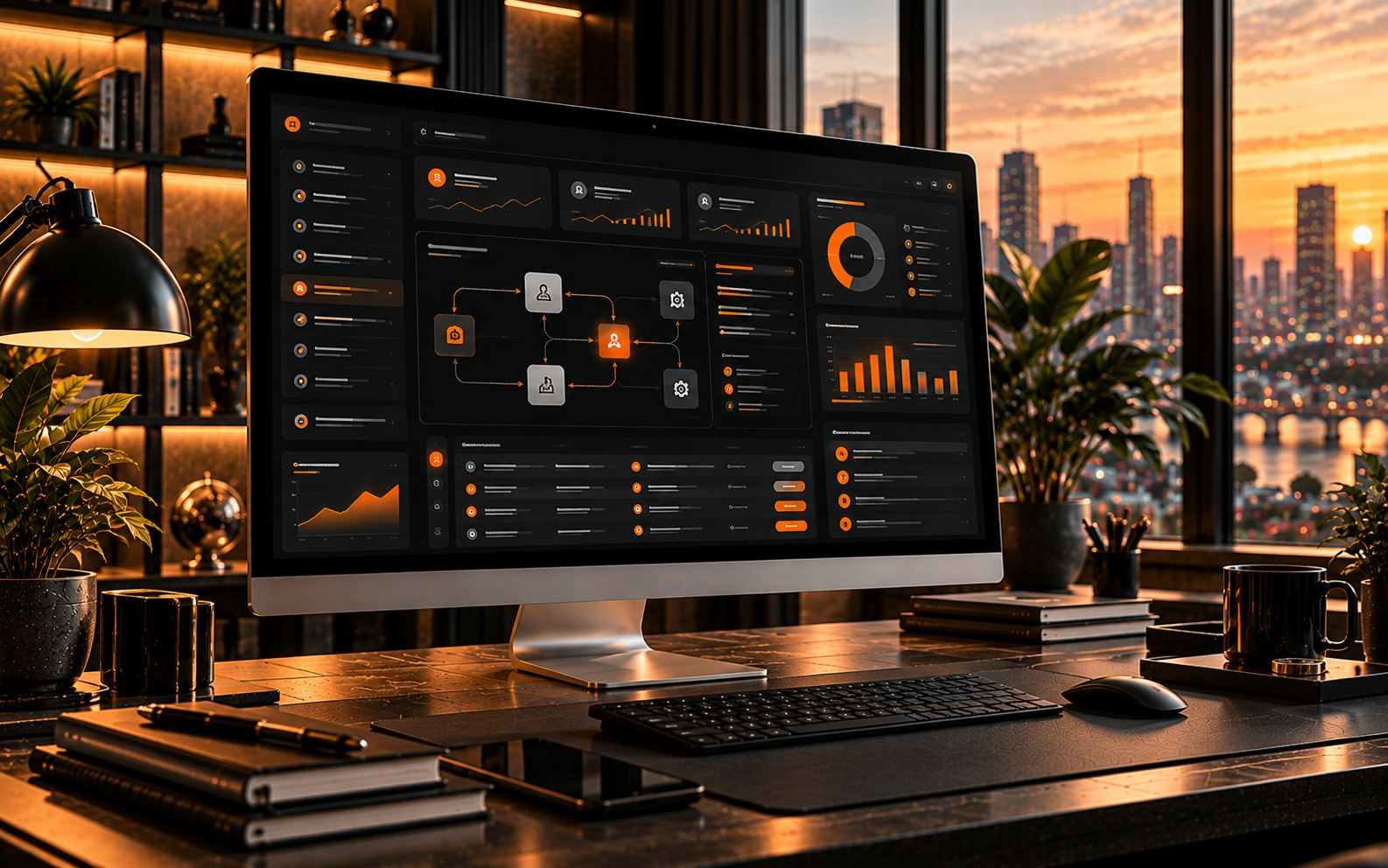
Off-the-shelf software can be useful, but growing businesses often reach a point where their workflows, data and operational requirements need something more specific.
At PulsePixel, we turn those requirements into custom digital systems that reduce friction, connect information and give your team better tools for everyday work.
From internal platforms and customer portals to dashboards, workflow systems and integrations, we build software around the processes that matter to your business.
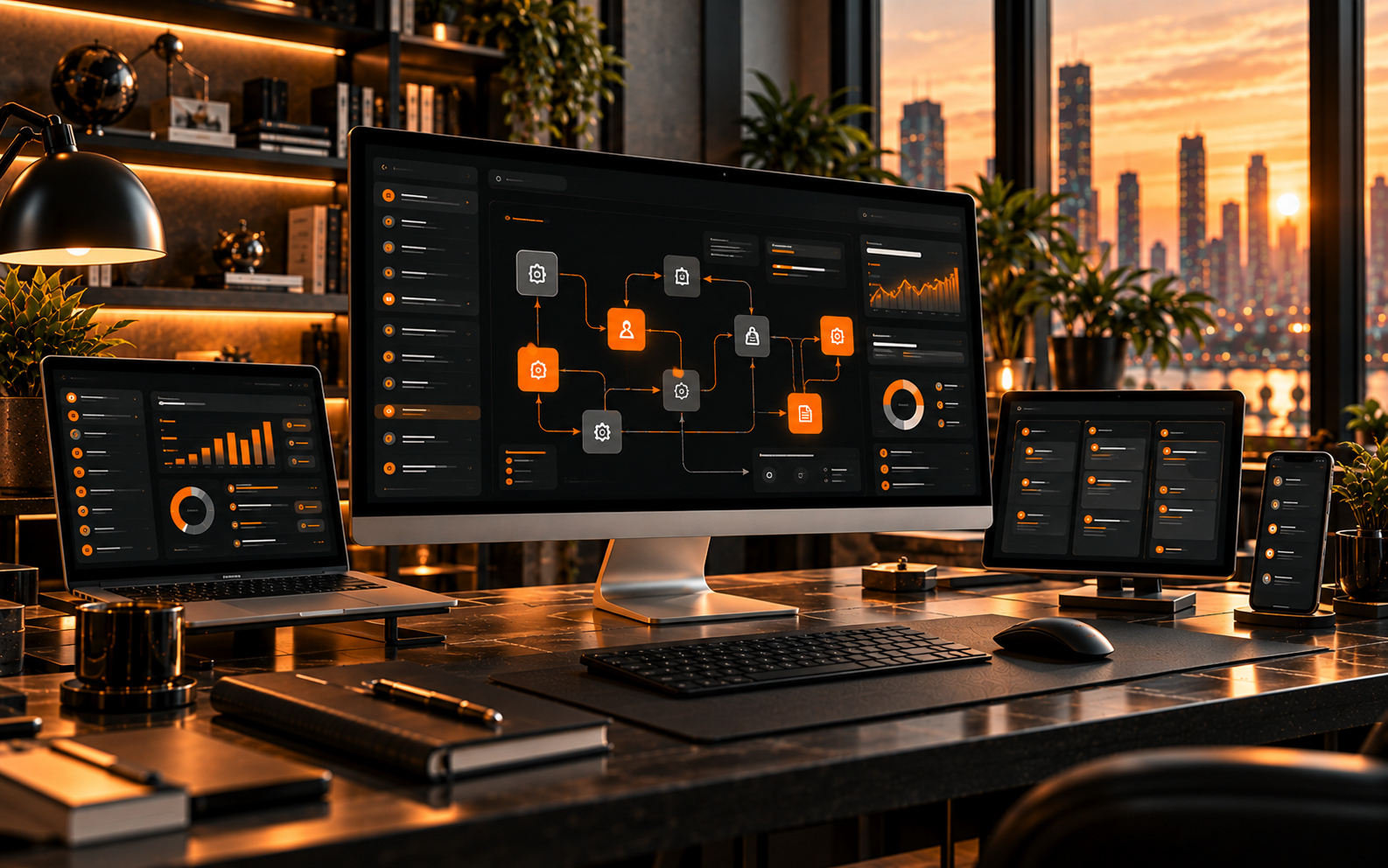
Centralized platforms that bring important business operations, information and workflows into one connected system.
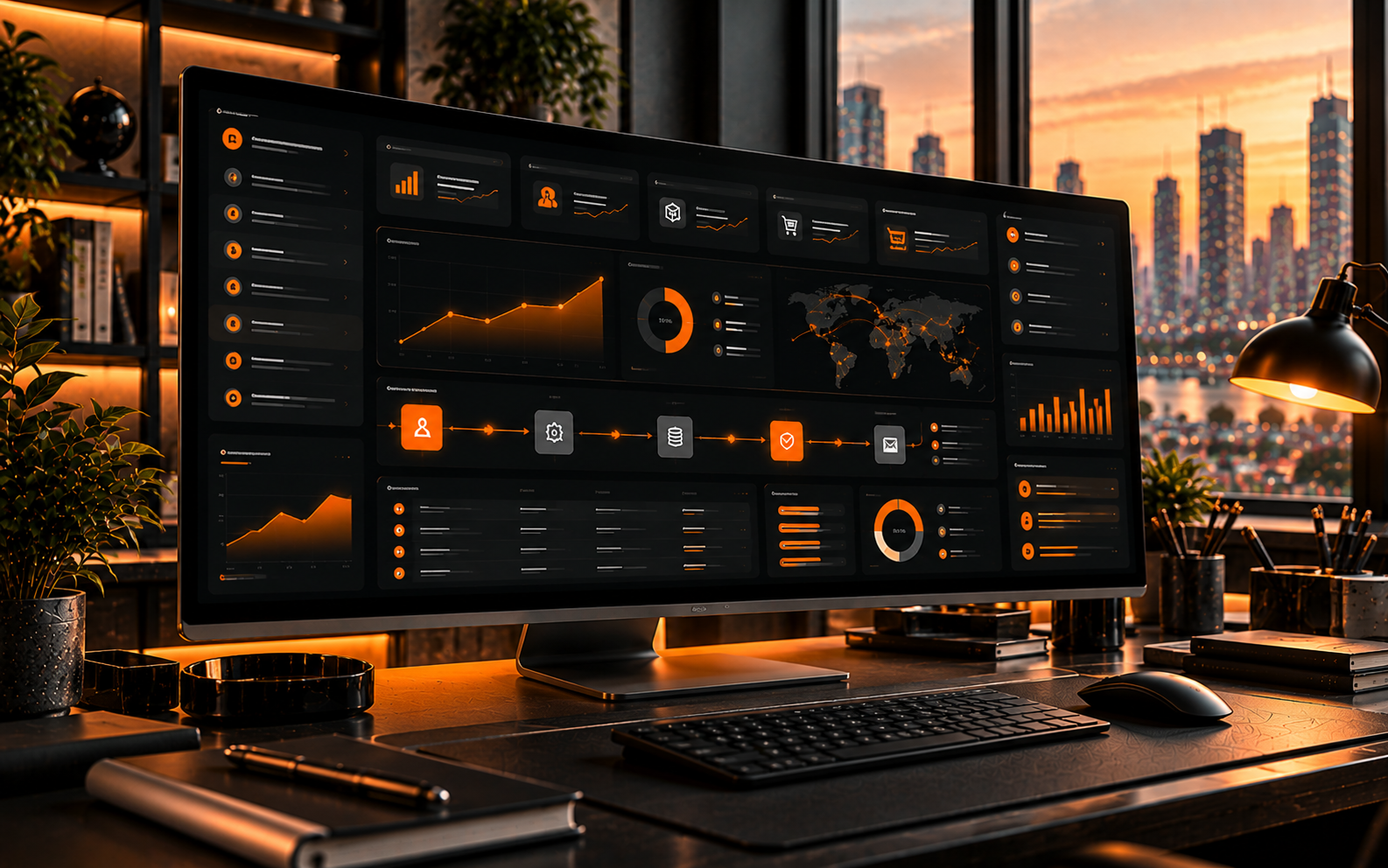
Clear dashboards that organize business data and give teams practical visibility into performance and activity.
Secure digital spaces that make it easier for customers to access information, submit requests and manage interactions.
Custom systems designed around specific operational processes, approvals, tasks and internal workflows.
Connected software that allows your existing tools, platforms and data sources to work together more efficiently.
Purpose-built software that removes repetitive manual work and improves the speed and consistency of operations.
Custom software is valuable when technology is connected to a clear operational need. Strategy, architecture, usability and scalability all need to work together.
We understand your workflows, users, business rules, data and operational challenges before defining the system.
The technical foundation is planned around reliability, integrations, security and future requirements.
Interfaces are designed around the people who will actually use the software every day.
Processes are translated into clear digital journeys that reduce unnecessary steps and manual work.
Relevant platforms and data sources can be connected to create a more unified operational environment.
Repetitive actions can be streamlined so your team can spend more time on higher-value work.
Access, permissions and data handling are considered as part of the system design.
The software is structured so new workflows, users and capabilities can be added as the business grows.
We map your business processes, users, requirements, existing tools and opportunities for improvement.
We define the system scope, priorities, architecture, workflows and technical direction.
We create the interface and user experience around the real needs of your teams and customers.
We build the software, integrations and functionality using a clean, scalable implementation.
We review workflows, permissions, integrations, responsiveness, performance and critical business scenarios.
We launch the system and establish a foundation for future improvements, integrations and new capabilities.

We start with your operational goals and workflows rather than forcing your business into a predefined system.
The software is shaped around the people, processes and requirements that make your business different.
Systems, data and integrations can work together around one more consistent digital foundation.
Your software is designed to evolve as your team, operations and business requirements expand.
Custom software becomes useful when existing tools no longer fit important workflows, create unnecessary manual work or prevent the business from operating efficiently.
Yes. We can analyze the current workflow and design the system around the processes, users, rules and requirements that already exist.
Yes. Integration requirements can be planned around APIs, platforms, databases and other systems used within your business.
Yes. We can create dashboards that organize relevant data and present useful information for teams, managers and decision makers.
Yes. Customer-facing portals can be designed around secure access, account information, requests, documents, communication and other requirements.
The interface can be designed responsively or developed as a dedicated application depending on the requirements of the system and its users.
Yes. Automation can be incorporated into the system to reduce repetitive tasks, connect processes and improve operational consistency.
Yes. Ongoing support, improvements, integrations and new functionality can be planned around the needs of the business.
Yes. The architecture can be planned with future users, workflows, integrations and capabilities in mind.
Tell us what your team is trying to improve, where your current systems create friction and what you want to build next. We'll help define the right digital direction.
START A PROJECT